


Crafting Compelling Book Descriptions That Sell: Tips from More Than Just Luck
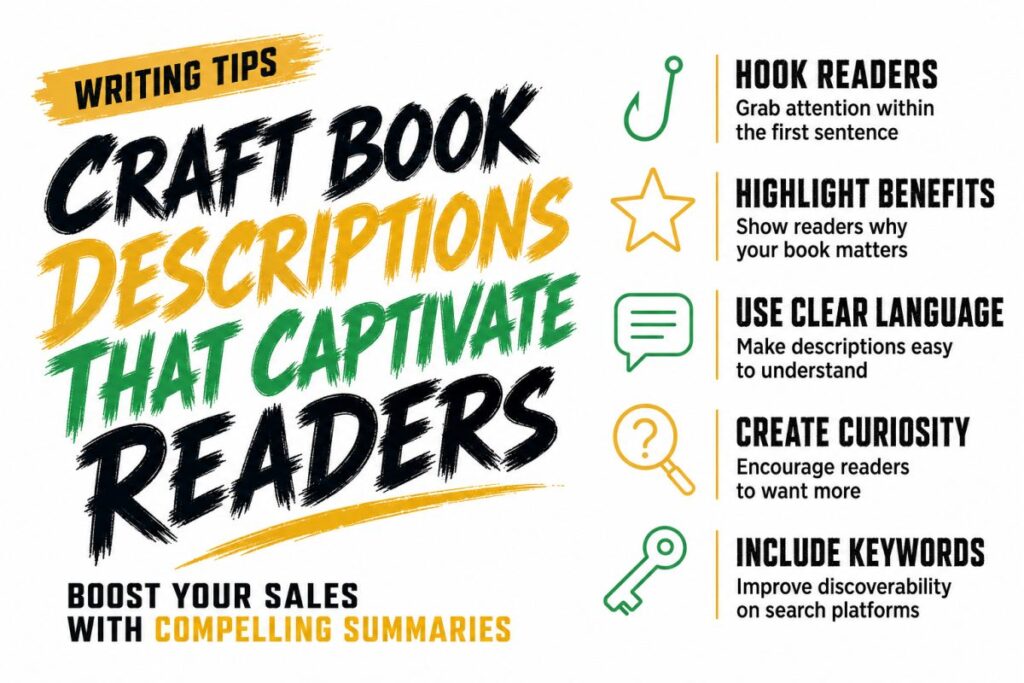
Writing a powerful book description is an essential skill for authors and publishers looking to capture the attention of potential readers. Crafting compelling book descriptions that sell is about more than just summarizing the plot — it requires an understanding of your audience and the ability to entice curiosity and emotion within a few short sentences. At More Than Just Luck, we understand the art and science behind creating blurbs that convert browsers into buyers. This article shares proven techniques to help you write descriptions that stand out in a crowded market.
Why Book Descriptions Matter More Than You Think
Your book description is often the first impression a reader has before deciding to buy or borrow your book. It sits right beneath the cover image on online retail platforms and acts as your primary sales pitch. Even the most beautifully designed cover and stellar reviews can be overlooked if the description fails to engage.
A compelling description can:
- Hook readers with an intriguing premise
- Communicate the tone and genre clearly
- Highlight unique selling points
- Encourage readers to take action and purchase
Understanding these factors is the first step in crafting compelling book descriptions that truly sell.
Key Elements of a Compelling Book Description
1. Start with a Hook That Grabs Attention
The opening line should spark curiosity or pose an engaging question. This is your chance to make readers stop scrolling and start reading. For example, a memoir might begin with a provocative statement about a life-changing moment, while a thriller might tease a dangerous secret.
2. Focus on the Reader’s Emotional Journey
Readers want to know what emotions your book will evoke. Will they feel inspired, scared, hopeful, or entertained? Highlight the emotional core of your story or message to create a connection. This helps your description resonate on a deeper level.
3. Keep It Clear and Concise
Avoid overwhelming potential readers with too many details. Stick to the essentials: introduce the protagonist or main subject, hint at the conflict or challenge, and suggest what’s at stake. Aim for a description length of 150 to 200 words to maintain interest without losing focus.
4. Use Active, Vivid Language
Dynamic verbs and sensory details bring your description to life. Instead of saying “The character faces difficulties,” say “She battles relentless obstacles that threaten her future.” This paints a vivid picture and invites readers to imagine themselves in the story.
Practical Tips for Writing Descriptions That Convert
Understand Your Audience
Knowing who your readers are shapes the tone, style, and content of your description. A nonfiction book aimed at professionals will have a different approach than a young adult fantasy novel. Research your target audience’s preferences and what motivates their reading choices.
Highlight Unique Selling Points
What makes your book different from others in its category? Whether it’s a fresh perspective, exclusive research, or an unforgettable protagonist, make sure these points shine. This helps your book stand out in search results and recommendation lists.
Incorporate Keywords Naturally
Including relevant keywords related to your genre and topic can improve discoverability on retail sites and search engines. However, avoid keyword stuffing—integrate them smoothly into the description so it reads naturally.
End with a Strong Call to Action
Encourage readers to take the next step, whether it’s buying the book, reading a sample, or exploring your author platform. A simple phrase like “Dive into this unforgettable story today” can create urgency without feeling pushy.
Common Mistakes to Avoid When Crafting Book Descriptions
Overloading with Spoilers
Revealing too much of the plot can reduce readers’ motivation to buy. Keep key twists and resolutions under wraps to maintain suspense.
Using Generic or Vague Language
Phrases like “This book is amazing” or “A great read” do little to inform or excite. Instead, be specific about what makes your book compelling.
Ignoring Formatting and Readability
Large blocks of text can deter readers. Use short paragraphs, bullet points, or even line breaks to enhance readability.
Neglecting Proofreading
Typos and grammatical errors undermine professionalism and trust. Always proofread your description or have someone else review it before publishing.
Bonus: How More Than Just Luck Supports Authors in Showcasing Their Stories
At More Than Just Luck, we recognize that every author’s story is unique and deserves to be told with impact. Crafting compelling book descriptions is one of the many ways we help bring these stories to life and connect them with the right readers.
Whether you’re launching your first book or expanding your author platform, focusing on an engaging description is a vital step. For more insights on author branding, storytelling, and publishing trends, explore our resources at More Than Just Luck Blog.
Conclusion: Elevate Your Book’s Success with a Powerful Description
Crafting compelling book descriptions that sell is a blend of art and strategy. By understanding your audience, focusing on emotional connection, and using clear, vivid language, you can create blurbs that captivate readers and drive sales. Avoid common pitfalls, keep your description concise, and always end with a motivating call to action.
Ready to take your book description to the next level? Visit More Than Just Luck to discover expert guidance and resources designed to help authors like you share your story with the world.