


Navigating Copyright Challenges in Modern Book Publishing
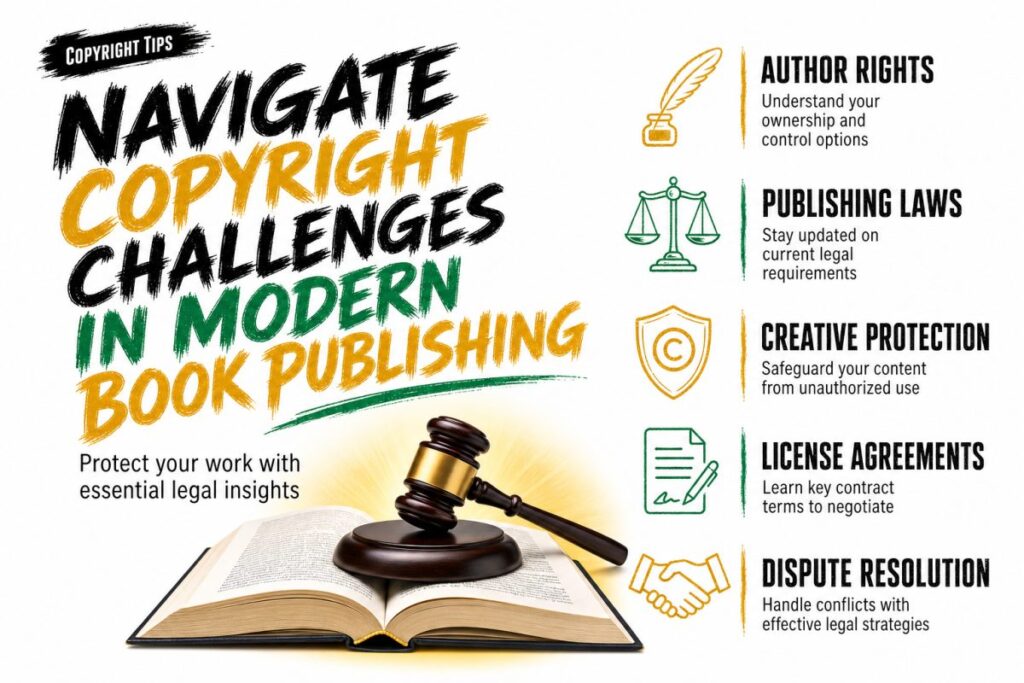
In today’s rapidly evolving literary landscape, copyright challenges in book publishing have become increasingly complex. Authors and publishers alike must stay informed to protect creative works and avoid legal pitfalls. Whether you are a first-time author or an established publisher, understanding these challenges is crucial to navigating the modern publishing world successfully. This article explores the most common copyright issues authors face and highlights how publishers can provide vital guidance through these legal complexities.
Understanding Copyright Basics in Book Publishing
Copyright is a form of intellectual property protection that grants the creator exclusive rights to their original work. In book publishing, copyright safeguards the author’s text, images, and sometimes even the book’s design elements. Understanding these basics is the first step in addressing copyright challenges.
What Does Copyright Protect?
Copyright protection covers the original expression of ideas but not the ideas themselves. This means:
- Text, including narrative, dialogue, and unique phrasing
- Illustrations, photographs, and cover art
- Book layout and design elements if sufficiently original
However, facts, common phrases, and public domain content are not protected by copyright.
Duration and Ownership of Copyright
In most countries, copyright lasts for the author’s lifetime plus 70 years. Ownership can be transferred or shared, especially in publishing contracts where rights may be licensed to publishers or other entities. Authors need to carefully review contracts to understand what rights they retain and what rights they grant.
Common Copyright Challenges Authors Encounter
Authors face a variety of copyright-related challenges during the publishing process. Being aware of these issues can prevent costly legal problems down the road.
Unintentional Copyright Infringement
One of the most frequent problems arises from unintentional copyright infringement. This can happen if an author includes copyrighted quotes, images, or ideas without permission. Even paraphrasing protected content without attribution can lead to legal disputes.
Plagiarism and Attribution Issues
Plagiarism is another significant concern. Sometimes, authors may unknowingly use material that closely resembles someone else’s work. Proper attribution and citation are essential to avoid accusations of plagiarism, which can damage an author’s reputation and result in legal action.
Copyright Clearance for Third-Party Content
Many nonfiction and memoir authors rely on third-party content such as photographs, letters, or excerpts. Securing copyright clearance for these materials can be complicated and time-consuming. Failure to obtain the necessary permissions can halt publication or lead to costly lawsuits.
How Publishers Support Authors Through Copyright Complexities
Publishers play a vital role in guiding authors through copyright challenges, ensuring that legal considerations are addressed before a book reaches readers.
Legal Expertise and Contract Negotiations
Experienced publishers often have legal teams or consultants who review contracts and copyright issues. They help authors understand the implications of rights assignments and negotiate terms that protect the author’s interests.
Copyright Education and Resources
Publishers frequently provide educational resources and workshops to inform authors about copyright law basics and best practices. This proactive approach helps authors avoid common pitfalls related to copyright infringement and plagiarism.
Managing Permissions and Clearances
Handling copyright clearance for third-party content is one of the most valuable services a publisher offers. Publishers coordinate with rights holders to obtain necessary permissions, ensuring that all materials included in a book are legally authorized.
Best Practices for Authors to Navigate Copyright Challenges
While publishers provide essential support, authors can take proactive steps to protect their work and respect others’ rights.
Conduct Thorough Research
Before including any third-party content, authors should research copyright status and seek permission when necessary. Understanding what is public domain or falls under fair use can save time and reduce risk.
Keep Detailed Records
Maintaining records of permissions, licenses, and correspondence with rights holders is critical. This documentation serves as proof of authorization in case of disputes.
Use Copyright Notices and Licensing Information
Including clear copyright notices in the book and specifying licensing terms for any reused content helps clarify legal boundaries for readers and distributors.
Consult Professionals When Needed
When in doubt, consulting an intellectual property attorney or a publishing professional can provide clarity and prevent costly mistakes.
Summary: Facing Copyright Challenges with Confidence
Copyright challenges in book publishing are complex but manageable with the right knowledge and support. Authors who understand copyright basics, avoid infringement risks, and collaborate with knowledgeable publishers can navigate these challenges confidently. Publishers serve as invaluable partners, offering legal guidance, educational resources, and permissions management to safeguard creative works and ensure smooth publication.
For authors and publishers seeking more insights into the evolving world of book publishing, visit the More Than Just Luck blog for expert advice and inspiring stories.
Ready to learn more about protecting your creative work and navigating publishing challenges? Explore the resources at More Than Just Luck and start your journey with confidence.
WORD COUNT: 933 words