


The Future of Print vs. Digital: Insights from More Than Just Luck’s Experts
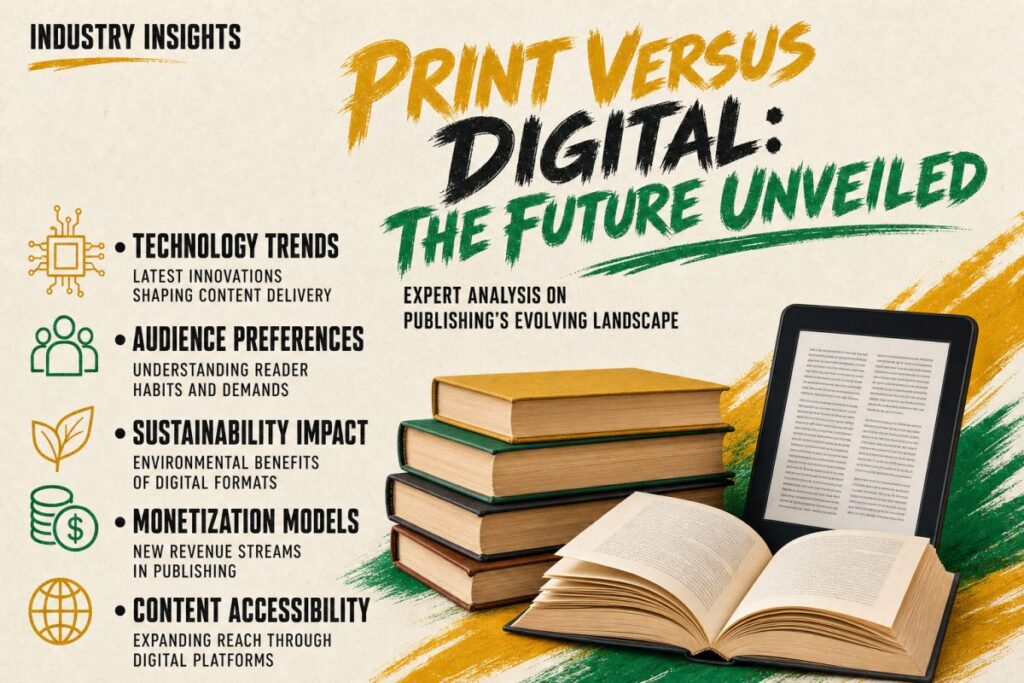
In today’s fast-evolving publishing landscape, the future of print vs digital formats remains a hotly debated topic. As technology advances and reading habits shift, many ask whether traditional print books will maintain their charm or if digital media will ultimately dominate. At More Than Just Luck, our experts analyze the ongoing balance between these two formats, revealing trends and opportunities that shape how stories are told and consumed. This article explores how print and digital publishing coexist, adapt, and thrive in the years ahead.
Understanding the Current Landscape of Print and Digital Publishing
The publishing industry has undergone remarkable transformations over the past two decades. Print books, once the undisputed medium for storytelling, now share the stage with eBooks, audiobooks, and digital platforms. Yet both print and digital formats continue to hold significant value for readers and authors alike.
Print’s Enduring Appeal
Despite the rise of digital reading devices, print books remain beloved by many. The tactile experience of holding a book, turning pages, and even the smell of paper create an emotional connection that digital formats often can’t replicate. Print also offers a visual permanence and collectability that digital files lack.
Moreover, print books are often preferred for gifting, display, and preserving special editions. Their physical presence in homes and libraries fosters a unique intimacy between reader and text.
The Rise of Digital Formats
Digital publishing offers unparalleled convenience and accessibility. Readers can carry entire libraries on a single device, instantly download new releases, and benefit from adjustable fonts and interactive content. Digital formats also enable multimedia integration, like embedded audio or video, enhancing storytelling possibilities.
For authors and publishers, digital distribution lowers production costs and expands global reach. Self-publishing platforms and digital marketing tools empower writers to connect directly with audiences, accelerating the democratization of publishing.
Key Trends Shaping the Future of Print vs Digital
Looking ahead, several emerging trends are influencing how print and digital formats will evolve and coexist in publishing.
Hybrid Publishing Models
One of the most notable trends is the rise of hybrid publishing models that combine print and digital strategies. Rather than viewing these formats as competitors, publishers and authors are leveraging both to maximize impact.
For instance, many memoirs and nonfiction titles launch simultaneously as print books and eBooks, complemented by podcasts or digital media campaigns. This multi-channel approach broadens audience engagement and enhances discoverability.
Eco-Conscious Publishing
Environmental concerns are prompting shifts in both print and digital publishing practices. Print publishers increasingly adopt sustainable paper sources and eco-friendly inks, while digital platforms focus on reducing energy consumption and e-waste.
This growing emphasis on sustainability encourages innovation in materials and formats, influencing consumer preferences and industry standards alike.
Personalization and Interactive Content
Digital formats enable unprecedented levels of personalization. Readers can annotate, highlight, and share excerpts instantly. Interactive eBooks allow embedded quizzes, hyperlinks, and multimedia, creating immersive experiences.
Meanwhile, print editions may incorporate QR codes or augmented reality features, bridging the gap between physical and digital worlds.
Challenges and Opportunities in Balancing Print and Digital
While both formats offer unique benefits, balancing print and digital publishing comes with challenges that require strategic solutions.
Preserving the Quality of Storytelling
In the rush to adopt new technologies, publishers must ensure that the core of any book—its story—remains compelling and accessible. Digital distractions and shorter attention spans demand thoughtful content design that respects readers’ time and engagement.
Addressing Accessibility and Inclusivity
Digital formats can greatly enhance accessibility for readers with disabilities through features like text-to-speech and adjustable fonts. However, print remains essential for those with limited technology access or preference for tangible books.
Balancing these needs requires inclusive publishing strategies that embrace both formats to serve diverse audiences.
Monetization and Revenue Models
The economics of print and digital publishing differ significantly. Print involves upfront costs for printing and distribution, while digital offers flexible pricing and subscription models. Publishers must navigate these financial landscapes to sustain profitability and invest in innovation.
How More Than Just Luck Supports Authors and Readers in This Evolving Market
At More Than Just Luck, our experts understand the complexities of the future of print vs digital publishing. We provide insights and guidance to help authors, memoirists, and nonfiction writers navigate these changes while amplifying their voices.
- Strategic advice on balancing print and digital release schedules
- Recommendations for leveraging multimedia and interactive content
- Support for sustainable publishing practices
- Advocacy for inclusive and accessible storytelling
By embracing the strengths of both print and digital, authors can create meaningful, lasting connections with their audiences.
Conclusion: Embracing a Future Where Print and Digital Coexist
The future of print vs digital is not a zero-sum game. Instead, it is a dynamic partnership that offers exciting possibilities for storytelling, distribution, and reader engagement. Print books will continue to offer a cherished, tactile experience, while digital formats expand accessibility and innovation.
More Than Just Luck invites authors and readers to explore this evolving landscape with confidence and creativity. For expert insights and resources that help you navigate the publishing world’s changing tides, visit our website at https://morethanjustluck.com and explore our blog at https://morethanjustluck.com/blog. Together, we can shape the future of storytelling—whether in print, digital, or both.