


Incorporating Diversity and Inclusion in Publishing: Challenges and Opportunities
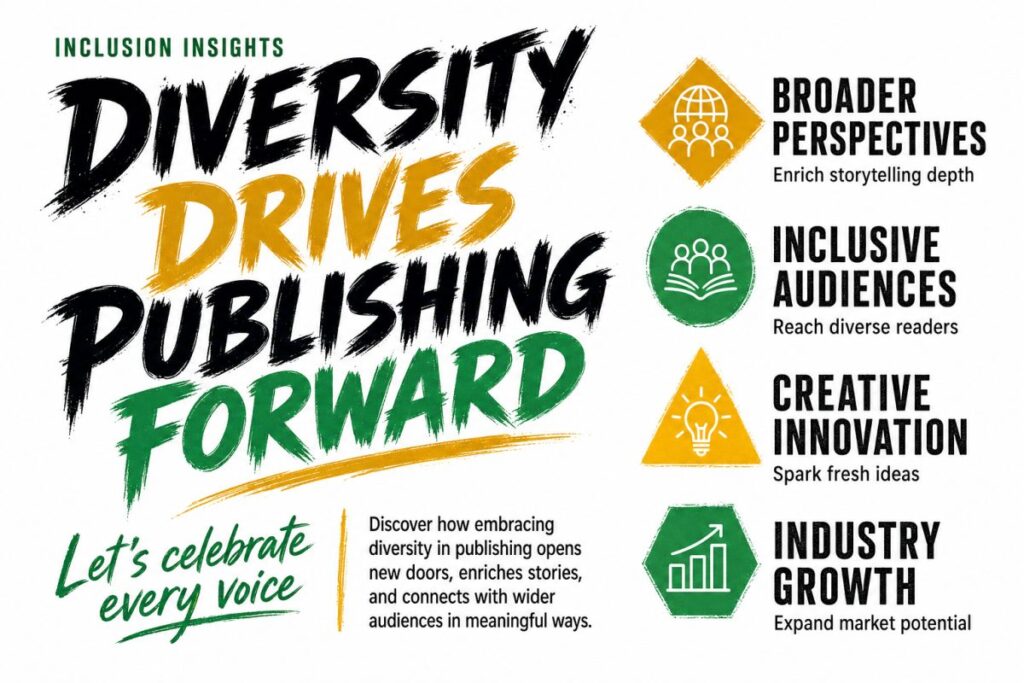
The conversation around diversity and inclusion in publishing has gained significant momentum in recent years. As readers increasingly seek authentic stories that represent a broad spectrum of experiences, the publishing industry faces the imperative to evolve. This shift is not only about fairness and representation but also about enriching the literary world with voices that have historically been marginalized. In this article, we explore the multifaceted challenges and exciting opportunities that come with embedding diversity and inclusion into the core of publishing practices.
The Importance of Diversity and Inclusion in Publishing
Diversity and inclusion go beyond ticking boxes—they shape the very stories that reach readers’ hands. Representation matters profoundly, as books influence cultural understanding and empathy. When publishing reflects a variety of backgrounds, identities, and perspectives, it fosters a richer dialogue in society.
Historically, the publishing industry has been criticized for its homogeneity, often prioritizing voices from dominant cultural groups. This narrow focus limits the scope of stories and can alienate readers who seek reflections of their own realities. Embracing diversity invites new narratives, challenges stereotypes, and opens doors for underrepresented authors.
Challenges in Incorporating Diversity and Inclusion
Industry Gatekeeping and Bias
One of the primary obstacles is the entrenched gatekeeping that exists within traditional publishing. Editors, agents, and decision-makers often come from similar backgrounds, which can unintentionally perpetuate biases. Manuscripts from marginalized voices may be overlooked or subjected to higher scrutiny.
Implicit bias also plays a role in how stories are evaluated. Books that challenge mainstream narratives might be deemed “niche” or “risky,” limiting their chances of publication or marketing support.
Marketing and Audience Assumptions
Marketing strategies sometimes fail to target diverse audiences effectively. Assumptions about who will buy a book can influence promotional budgets and campaign designs, leaving many stories underexposed. Publishers must rethink how they connect with readers from all walks of life to break this cycle.
Access to Resources and Support
Emerging authors from underrepresented communities often face barriers accessing the resources needed to develop their craft or gain industry visibility. This includes mentorship, workshops, and networking opportunities which are crucial for career growth.
Without equitable access, many talented voices remain unheard, which impoverishes the literary landscape.
Opportunities Presented by Embracing Diversity and Inclusion
Expanding Literary Horizons
Incorporating diverse voices enriches literature by introducing new themes, styles, and cultural insights. Readers benefit from exposure to a wide range of human experiences, fostering empathy and global awareness.
For publishers, this diversity can translate into fresh, compelling content that revitalizes catalogs and attracts broader readerships.
Building Stronger Reader Communities
When readers see themselves reflected in books, they form deeper connections with authors and publishers. This engagement builds loyal communities that support ongoing dialogue and advocacy.
Publishers who prioritize inclusion often find that these communities become powerful advocates, amplifying the reach and impact of diverse stories.
Innovating Publishing Practices
The push for diversity is driving innovation across the industry. From rethinking acquisition policies to adopting inclusive language guidelines, publishers are transforming traditional workflows.
Digital platforms and self-publishing have also democratized access, allowing marginalized voices to bypass some conventional barriers.
Practical Steps Toward Greater Diversity and Inclusion
While the challenges are real, there are actionable strategies publishers can adopt to foster inclusivity:
- Diversify decision-making teams: Hire editors, agents, and staff from varied backgrounds to bring multiple perspectives.
- Implement bias training: Educate industry professionals on recognizing and counteracting implicit biases.
- Expand outreach: Seek manuscripts from underrepresented authors through targeted calls and partnerships.
- Invest in marketing: Design campaigns that authentically reach diverse audiences and celebrate cultural specificity.
- Support author development: Provide mentorship and resources to emerging writers from marginalized communities.
Publishers can also collaborate with advocacy groups and participate in diversity-focused events to stay connected with community needs and trends.
Looking Ahead: The Future of Inclusive Publishing
The momentum behind diversity and inclusion in publishing signals a promising future. As readers demand more representation, publishers who embrace these values will lead the way in shaping an industry that is both socially responsible and commercially vibrant.
The journey toward full inclusivity is ongoing and requires continuous commitment. However, the benefits—both cultural and economic—are profound.
For authors, readers, and industry professionals alike, the call to action is clear: support and amplify diverse voices. Together, we can create a publishing landscape that truly reflects the breadth of human stories.
To explore more about how diversity and inclusion are transforming the publishing world, visit More Than Just Luck. Stay informed and inspired by reading insightful articles on our blog, where we spotlight voices and stories that matter.