


Understanding the Role of Editorial Standards in Building Author Credibility
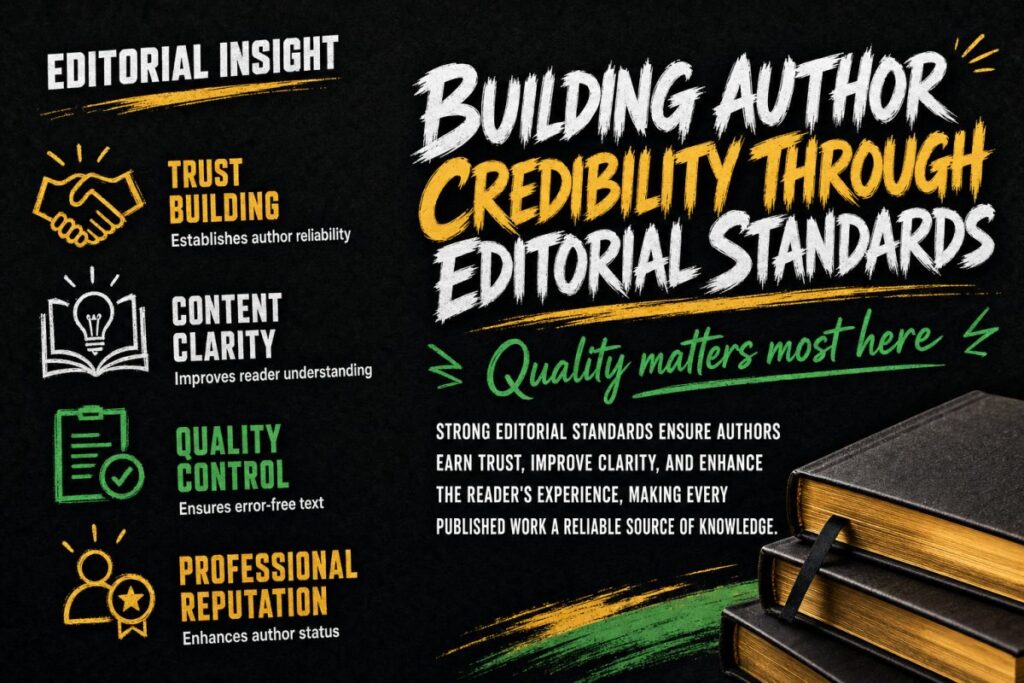
In the competitive world of book publishing, editorial standards are more than just a behind-the-scenes process—they are a cornerstone of author credibility. Rigorous editorial practices help shape a manuscript into a polished, professional work that readers trust. For authors, adhering to high editorial standards can make the difference between a book that stands out and one that fades into obscurity. This article explores how editorial standards impact an author’s reputation and ultimately contribute to a book’s success.
What Are Editorial Standards?
Editorial standards refer to the set of guidelines and quality benchmarks that govern the editing and presentation of a manuscript before publication. These include elements such as grammar, punctuation, consistency, factual accuracy, tone, and overall readability. Publishers and editors enforce these standards to ensure that the final product meets professional expectations and resonates well with the target audience.
The Components of Editorial Standards
- Copyediting: Correcting grammar, punctuation, spelling, and syntax to ensure clarity and precision.
- Fact-Checking: Verifying information to maintain accuracy and trustworthiness.
- Structural Editing: Refining the organization, flow, and coherence of the content.
- Consistency Checks: Ensuring uniformity in style, tone, and formatting throughout the manuscript.
- Proofreading: Final review to catch any lingering errors before printing or digital release.
How Editorial Standards Build Author Credibility
When an author’s work reflects high editorial standards, it sends a powerful message to readers, reviewers, and industry professionals. It shows that the author values quality and professionalism, which in turn builds trust and respect.
Enhancing Reader Trust
Readers are quick to notice sloppy grammar, factual errors, or inconsistent tone, which can undermine an author’s authority. Books that exhibit strong editorial integrity provide a smooth and engaging reading experience, encouraging readers to invest in the author’s work again and again.
Attracting Positive Reviews and Endorsements
Reviewers and critics often assess the quality of writing and editing when recommending books. A well-edited manuscript is more likely to receive favorable reviews, awards, and endorsements, all of which bolster an author’s reputation in the literary community.
Supporting Professional Opportunities
Publishers, literary agents, and media outlets are more inclined to collaborate with authors who consistently produce polished work. Strong editorial standards open doors to speaking engagements, podcast features, and other opportunities that help authors grow their platform.
The Impact of Editorial Standards on Book Success
Beyond credibility, editorial standards directly influence a book’s commercial and critical success. Quality editing can transform a good idea into a market-ready product that appeals to a wide audience.
Improved Marketability
Books that meet high editorial standards are easier to market because they convey professionalism and reliability. Retailers and distributors are more willing to stock and promote titles that meet these benchmarks, increasing visibility and sales potential.
Stronger Reader Engagement
Clear, error-free writing keeps readers engaged and less likely to abandon a book halfway through. Engaged readers are more likely to leave positive reviews, recommend the book to others, and become loyal fans of the author’s work.
Long-Term Brand Building
Consistently delivering well-edited books helps authors build a strong, trusted personal brand. This foundation supports future projects and ensures sustained success over time, rather than fleeting popularity.
Best Practices for Upholding Editorial Standards
Authors who aim to build credibility and success should adopt best practices that reinforce rigorous editorial standards throughout their writing process.
- Engage Professional Editors: Collaborate with experienced editors who can provide objective feedback and polish your manuscript.
- Utilize Beta Readers: Early readers help identify unclear sections and inconsistencies before final editing.
- Maintain Consistent Style Guides: Use a style manual to ensure uniformity in tone, formatting, and language.
- Allocate Time for Multiple Revisions: Editing is iterative—allow time for several rounds to refine your work.
- Stay Open to Constructive Criticism: Embrace feedback as an opportunity to improve rather than a personal attack.
These practices not only enhance the manuscript’s quality but also demonstrate an author’s commitment to excellence.
Conclusion
Editorial standards play a critical role in building an author’s credibility and paving the way for book success. By prioritizing rigorous editing and quality control, authors can foster trust with readers, attract positive attention from the publishing community, and create lasting professional opportunities. If you’re ready to elevate your writing and enhance your author reputation, explore how More Than Just Luck can support your journey. Visit our website at https://morethanjustluck.com and dive deeper into our insights on the publishing industry on our blog.