


The Impact of Audiobooks on Traditional Publishing Models
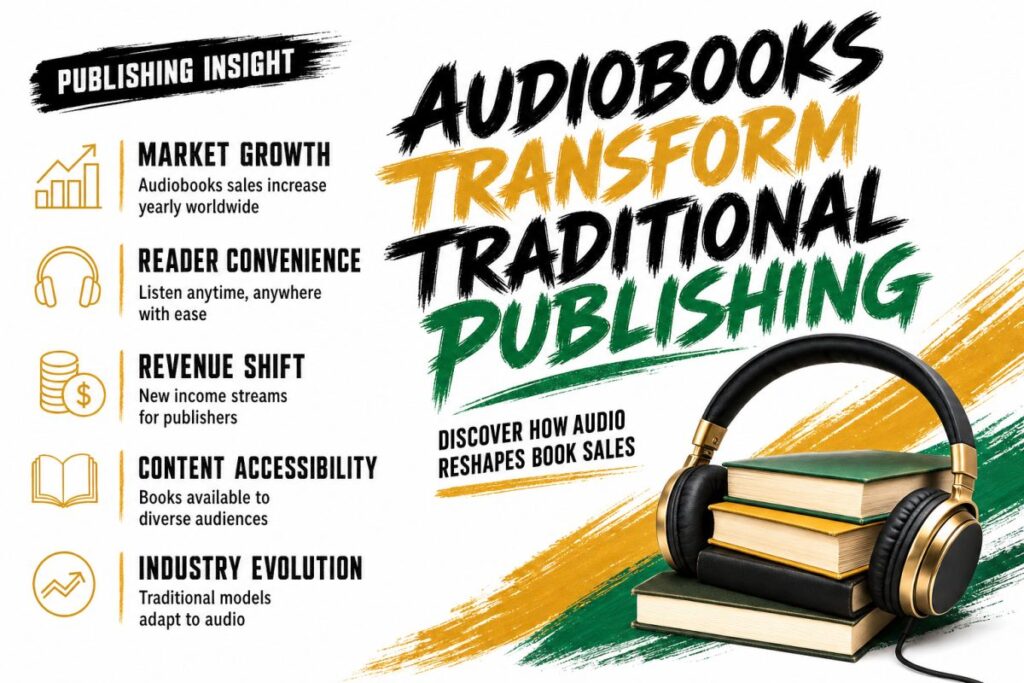
The impact of audiobooks on traditional publishing is undeniable and continues to grow as more readers embrace this convenient format. Over the past decade, audiobooks have evolved from niche products to mainstream media, profoundly reshaping reader habits and forcing publishers to rethink their strategies. This transformation is not only changing how stories are consumed but also how they are produced, marketed, and monetized in the publishing world. As the digital age redefines access to literature, understanding the influence of audiobooks is essential for anyone interested in the future of books.
How Audiobooks Are Changing Reader Habits
Audiobooks have introduced a new dimension to reading by offering a hands-free, eyes-free alternative that fits into busy lifestyles. Many readers now listen during commutes, workouts, or household chores, allowing them to “read” more books than ever before. This accessibility has expanded the audience beyond traditional book buyers to include multitaskers and those who struggle with print reading.
Increased Accessibility and Inclusivity
Audiobooks have made literature more accessible to people with visual impairments or reading difficulties such as dyslexia. By providing professional narration, audiobooks offer an immersive experience that can be more engaging and less intimidating than traditional print. This inclusivity broadens the market and promotes literacy in diverse communities.
Shift in Consumption Patterns
Unlike print books, audiobooks can be consumed passively, which changes the way readers engage with stories. Listeners often prefer serialized or shorter content that fits into their daily routines, influencing publishers to adapt formats and release schedules accordingly. Additionally, audiobooks tend to encourage repeat listening and a deeper emotional connection through voice performance.
The Transformation of Publishing Strategies
The rise of audiobooks has forced traditional publishers to innovate and diversify their offerings. Audiobook production requires collaboration between authors, narrators, sound engineers, and marketers, creating a more complex publishing ecosystem. Publishers must now consider audio rights, production timelines, and distribution platforms alongside traditional print and e-book formats.
Investment in Production Quality
High-quality narration and sound design are critical to an audiobook’s success. Publishers are investing more in casting skilled voice actors and producing immersive audio experiences that can rival film or theater. This focus on quality often means higher upfront costs but can lead to increased sales and stronger brand loyalty.
Marketing and Distribution Innovations
Audiobooks have opened new marketing channels such as podcast advertising, social media audio snippets, and influencer endorsements. Distribution platforms like Audible, Apple Books, and Google Play Books dominate the market, requiring publishers to build partnerships and optimize pricing strategies for these digital storefronts. Subscription models and bundled deals are also changing revenue streams.
Challenges and Opportunities for Traditional Publishing
While audiobooks present exciting opportunities, they also pose challenges for traditional publishing models. Publishers must balance production costs with uncertain returns and navigate complex licensing agreements. However, embracing audiobooks can lead to new revenue sources and audience engagement if approached strategically.
Monetization and Rights Management
Audiobook rights often require separate negotiation from print and digital rights, complicating contracts and royalties. Publishers and authors need clear agreements to ensure fair compensation. Monetization models vary from direct sales to subscription royalties, and publishers must analyze data to optimize pricing and release strategies.
Adapting Editorial and Creative Processes
The narrative style of an audiobook can differ significantly from print. Editors and authors are increasingly collaborating with narrators to adapt pacing, tone, and dialogue delivery to enhance listener experience. This creative evolution demands flexibility and innovation within traditional editorial workflows.
Key Factors for Successful Audiobook Integration
- Understanding Audience Preferences: Identifying the target demographic and listening habits is essential for content and marketing alignment.
- Investing in Talented Narrators: The narrator’s voice can make or break an audiobook’s success.
- Leveraging Data Analytics: Monitoring sales, listener engagement, and platform trends to inform decisions.
- Cross-Promoting Across Formats: Integrating print, e-book, and audio marketing campaigns to maximize reach.
- Exploring New Storytelling Formats: Embracing serialized audiobooks, enhanced audio, and interactive elements.
Looking Ahead: The Future of Audiobooks in Publishing
As technology advances, the audiobook market is expected to continue its rapid growth. Innovations such as AI-generated narration and immersive soundscapes could further revolutionize the medium. Traditional publishers who embrace these changes and integrate audiobooks thoughtfully into their portfolios will be best positioned to thrive in a changing literary ecosystem.
Moreover, the rise of audiobooks highlights the importance of flexibility in publishing models. Readers today demand content that fits their diverse lifestyles and preferences, making adaptability a key to sustained success.
To explore how these trends might affect your publishing journey or to learn more about navigating the evolving industry, visit More Than Just Luck. Our blog offers insights and resources tailored to authors and publishers embracing the digital transformation. Stay informed, stay inspired, and transform your storytelling approach with us.
For further guidance or to connect with industry experts, visit More Than Just Luck Blog and join the conversation shaping the future of publishing.